Land Clearing Experts: Setting Up Your Property for New Beginnings
Land clearing services are vital for transforming overgrown or cluttered properties into viable spaces for development. These experts carefully eliminate barriers, guaranteeing a solid groundwork for upcoming projects. With a clear understanding of site assessments and environmental regulations, they enhance both safety and accessibility. Yet, identifying the ideal service can be complicated, and comprehending the process is fundamental. What should property owners consider before starting on this journey?
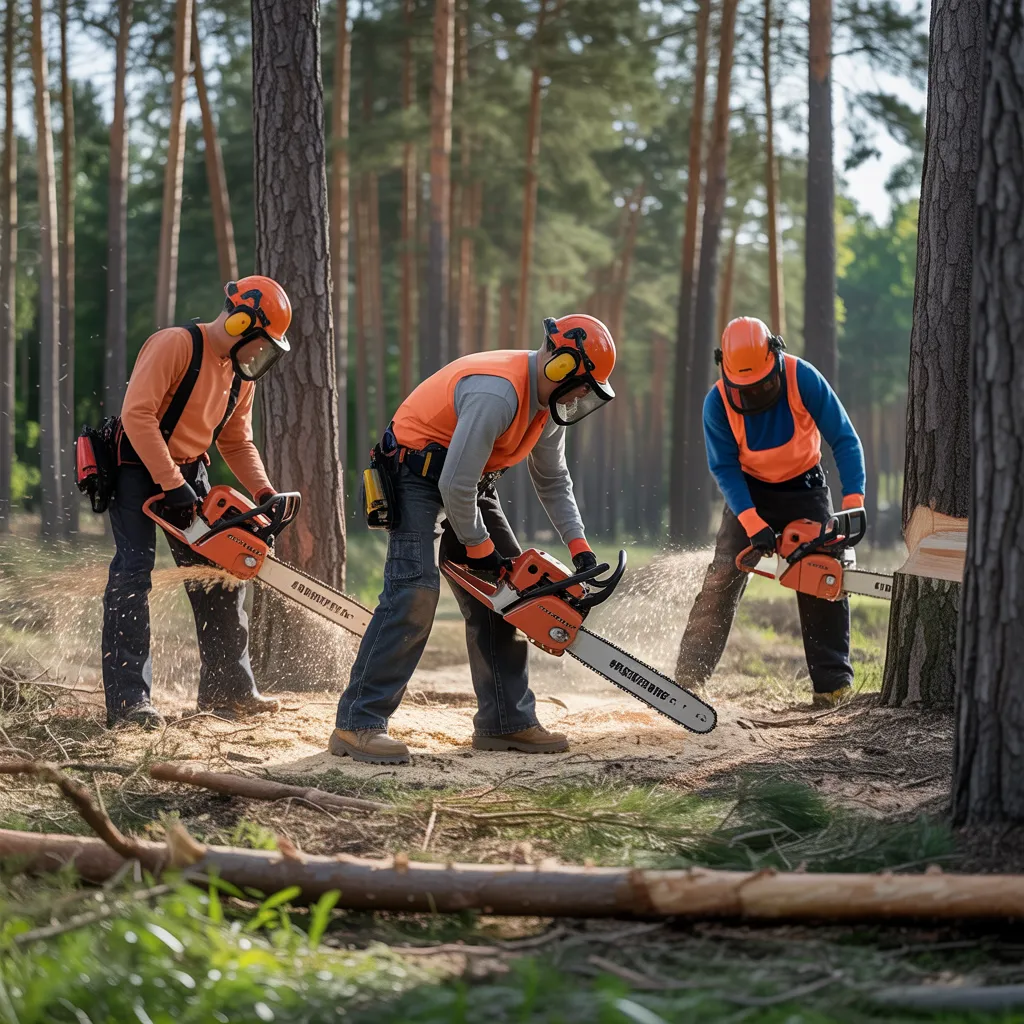
How Land Clearing Transforms Your Property Development Journey
Land clearing initiates the transformation of a property development project by readying the site for upcoming construction. This critical initial step entails clearing obstacles such as trees, undergrowth, and debris, providing a fresh foundation for builders and architects. By forming a clean and level foundation, land clearing enhances accessibility, allowing for efficient movement of equipment and materials.
Furthermore, it creates the basis for efficient project planning and design, as developers can accurately assess the arrangement and positioning of constructions more precisely. The approach also helps in pinpointing probable ecological concerns, such as drainage issues or soil quality, facilitating forward-thinking solutions.
Furthermore, land clearing can enhance overall safety by reducing dangers associated with unstable terrain and overgrown vegetation. When all is considered, this transformative measure not only optimizes construction but also encourages a well-planned and systematic approach to property development, paving the way for upcoming developments.
Key Steps in the Land Clearing Process
Clearing a site involves multiple critical steps that secure a smooth and efficient process. At the outset, an in-depth site inspection is carried out to identify obstacles such as trees, rocks, and vegetation. This inspection shapes the preparation stage, where strategies for removal are developed, accounting for ecological requirements and anticipated consequences.
Next, landowners may need to obtain necessary permits, securing compliance with local laws. After receiving approval to move forward, heavy machinery, such as bulldozers and excavators, is employed to remove vegetation and debris. During this phase, close attention is paid to limiting soil disturbance and preserving the integrity of adjacent areas.
Following the clearing, the area undergoes ground preparation to achieve a even ground, readying it for planned building projects or landscaping. Finally, waste material is managed responsibly, frequently utilizing recycling or mulching, making the property set for future development. Each phase is necessary to achieve a productive land preparation project.
How to Choose the Right Land Clearing Company for Your Needs
Choosing the right land clearing company requires careful assessment to confirm the project fulfills both expectations and regulations. To begin, potential clients should evaluate the firm's background and expertise in executing similar undertakings. A seasoned contractor with a proven track record is often more dependable.
Furthermore, it is important to ensure that the contractor carries the appropriate licenses and insurance, protecting both the client and the property during the clearing process. In addition, check article reading customer reviews and testimonials can provide helpful details into the company's service quality and reputation.
Price estimates are equally important, as they should be transparent and detailed, covering all possible costs. Clients should seek multiple quotes to confirm they receive fair pricing. Additionally, strong communication plays a vital role; a reliable firm will handle inquiries and issues in a timely manner, fostering a collaborative working relationship. Together, these considerations help identify the most suitable land clearing service for your particular requirements.
Environmentally Responsible Land Clearing Practices
Adopting environmentally responsible approaches in land clearing is vital for reducing ecological harm and promoting ecological balance. Organizations focused on sustainable practices employ methods that minimize soil degradation, preserve native vegetation, and conserve regional wildlife areas. Methods like targeted vegetation removal permit the extraction of particular trees and bushes, limiting interference with the natural habitat.
Furthermore, using contemporary machines built for low-impact operations aids in reducing disruption to the soil and harm to adjacent vegetation. Following the clearing process, practices like reforestation and planting cover crops are able to rejuvenate the area, improving ecological diversity and soil quality.
In addition, adopting sustainable recycling methods, such as transforming cleared vegetation into mulch or biofuel, advances a circular economy. Through prioritizing these environmentally responsible practices, land clearing companies can confirm that future land development supports ecological stewardship, fostering a healthier and more vibrant landscape for the generations ahead.
Preparing Your Land for Future Projects
Before initiating a construction or landscaping project, proper land preparation is essential to guarantee a successful outcome. To begin, it is necessary to evaluate the land's topography, soil quality, and drainage patterns. This analysis facilitates educated decisions about appropriate vegetation, constructions, or additional improvements. Removing debris, rocks, and undesirable vegetation from the land is essential, as it establishes a fresh foundation for upcoming work.
Subsequently, soil analysis should be undertaken to evaluate nutrient composition and pH readings, facilitating required adjustments to encourage thriving plant growth. Moreover, clearly marking the project boundaries aids in organizing the process efficiently and lowers the risk of disagreements in the future.
Ultimately, developing a thorough blueprint that specifies the project's timeline, scope, and budget is fundamental. This organized approach not only creates transparent benchmarks but also operates as a directional plan for all involved stakeholders, promoting effective movement toward fulfilling the anticipated milestones.
Why Should You Hire Professionals for Your Land Clearing Needs?
Hiring experts for land clearing provides access to specialized skills in equipment operation and maintenance. Their familiarity with safety regulations and compliance requirements decreases dangers linked to the site clearing process. As a result, this professional methodology increases efficiency and supports a more secure working atmosphere.
Skill In Equipment Use
Maneuvering the intricacies of land clearing demands specialized knowledge and equipment, which is where professional contractors stand out. Professionals possess comprehensive training in using heavy-duty machines, such as excavators, bulldozers, and stump grinders. This expertise guarantees that projects are completed effectively and thoroughly, limiting harm to the nearby environment. Moreover, experts are well-versed in the latest techniques, enabling them to handle challenging terrain and dense vegetation with skill. Their expertise not only boosts efficiency but also lowers the likelihood of costly errors that can stem from misuse of specialized tools. By enlisting professionals, property owners can be confident that their property will be properly and safely cleared, setting the stage for future development or landscaping.
Safety And Regulatory Standards
A thorough grasp of safety regulations and standards is essential in land clearing projects, as it ensures the safety of both the environment and workers. Land clearing professionals are prepared to follow established regulations and professional standards, minimizing dangers associated with hazardous materials, heavy machinery, and environmental degradation. They implement necessary safety procedures, including the utilization of personal protective equipment and performing risk assessments prior to beginning work. Compliance with regulations not only minimizes legal risks but also supports responsible land stewardship. Hiring experts confirms that all operations are executed safely and efficiently, allowing property owners to concentrate on their goals without the challenge of navigating complicated regulatory and safety requirements.
Common Questions and Answers
What Permits Are Necessary for Land Clearing Projects?
Required permits for land clearing projects typically include grading permits, environmental permits, and potentially local zoning approvals. Requirements vary depending on location, so working with local authorities ensures adherence to all required legal regulations before initiating the project.
How Long Does It Generally Take to Complete the Land Clearing Process?
The land clearing process typically takes a period of one to several weeks, based on factors including the overall size of the area, the density of vegetation, and weather conditions. Each individual project is distinct, having a considerable impact on the overall timeline.
Does Land Clearing Enhance Property Value?
Yes, land clearing can enhance the value of a property. By getting rid of barriers and improving the overall appearance, it causes the land to become more appealing to prospective buyers, thereby improving marketability and general value of the property in the real estate market.
What Equipment Is Employed in Land Clearing?
Land clearing typically employs tools such as bulldozers, excavators, chainsaws, and chippers. These tools efficiently remove trees, shrubs, and debris, making the land ready for future development or agricultural activities.
Do the Risks of DIY Land Clearing Outweigh the Benefits?
Yes, DIY land clearing carries risks such as injury from heavy machinery, damage to surrounding property, and environmental harm. Additionally, using improper techniques may result in legal complications regarding permits and regulations, complicating the process further.