Land Clearing Experts: Setting Up Your Property for New Beginnings
Land clearing operations are crucial for turning neglected or cluttered properties into functional spaces for development. These specialists diligently clear impediments, providing a reliable foundation for forthcoming developments. With a clear understanding of site assessments and environmental regulations, they enhance both safety and accessibility. Yet, identifying the ideal service can be complicated, and comprehending the process is fundamental. What should property owners consider before starting on this journey?
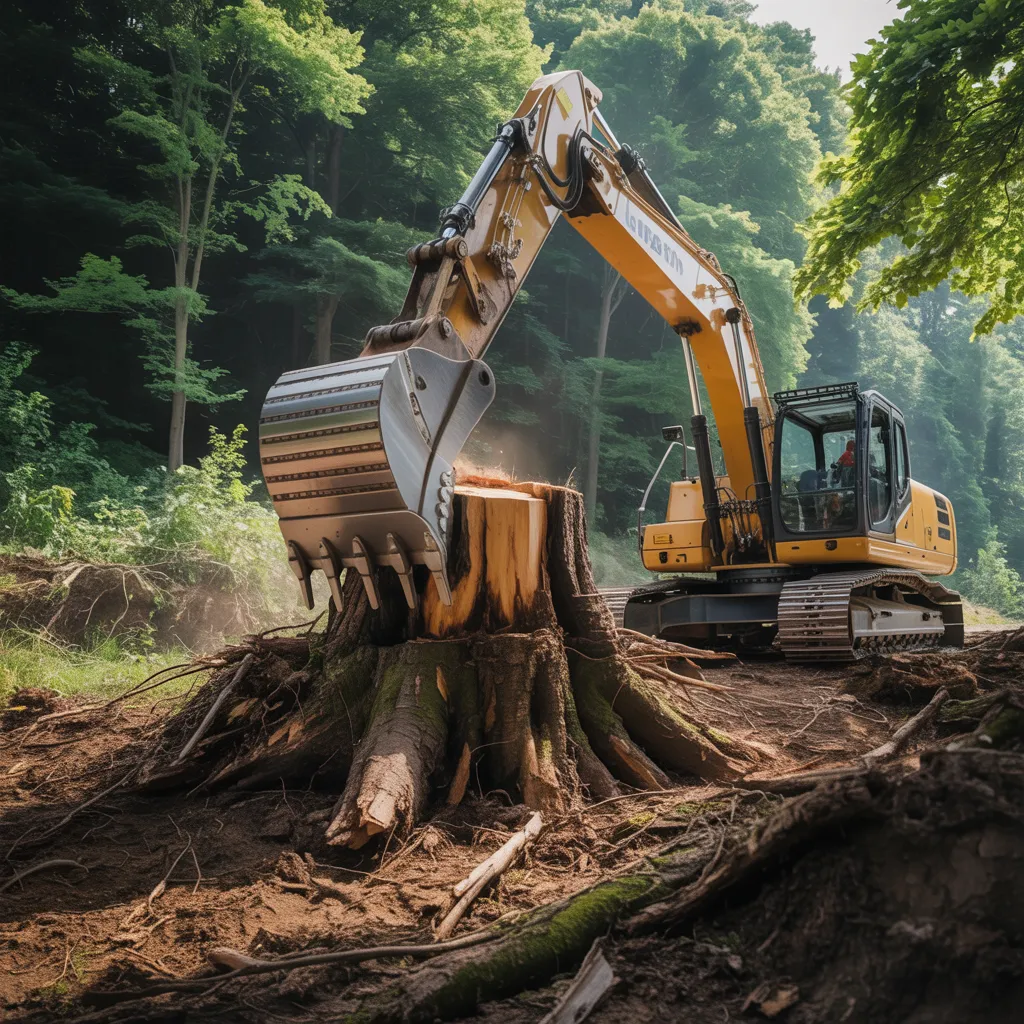
How Land Clearing Transforms Your Property Development Journey
Land clearing kickstarts the process of transforming a property development project by getting the site ready for construction ahead. This fundamental first stage involves removing obstacles such as trees, undergrowth, and debris, providing a fresh foundation for builders and architects. By establishing a clear and level surface, land clearing enhances accessibility, facilitating the smooth flow of machinery and materials.
Additionally, it establishes the framework for thorough design and planning, as architects can better understand the spatial layout of structures more effectively. The approach also aids in detecting potential ecological concerns, such as issues with drainage or soil composition, facilitating preventive measures.
Moreover, land clearing can increase security by minimizing threats associated with excessive plant growth and hazardous ground conditions. When all is considered, this impactful action not only streamlines construction but also promotes a highly structured and purposeful approach to site development, opening the door for future possibilities.
Steps Involved in the Land Clearing Process
Site clearing requires several key steps that guarantee an effective and streamlined process. To begin, an in-depth site inspection is carried out to identify obstacles such as rocks, trees, and plant growth. This assessment informs the preparation stage, where removal methods are established, considering environmental regulations and potential impacts.
In addition, property owners are often required to secure the appropriate permits, guaranteeing conformity with regional legal requirements. Once cleared to proceed, powerful equipment, including bulldozers and excavators, is utilized to clear vegetation and debris. In the course of this process, particular care is taken to reduce soil disruption and safeguard the neighboring environment.
Following the extraction, the area is subjected to surface grading to form a flat ground, setting up it for planned construction or landscaping. Finally, remnants is removed responsibly, typically employing recycling or composting, ensuring the land prepared for new opportunities. All steps are vital to ensure a seamless site clearing project.
How to Find the Best Land Clearing Company for Your Project
Selecting the best land clearing contractor necessitates careful assessment to confirm the project satisfies both expectations and guidelines. Initially, potential clients should examine the firm's expertise and knowledge in managing similar projects. A well-established contractor with a proven track record is often more reliable.
Next, it is important to confirm that the firm possesses the required licenses and insurance, protecting both the customer and the premises throughout the clearing process. Moreover, reading customer reviews and testimonials can give helpful details into the firm's reputation and service quality.
Cost estimates are also significant, as they should be open and thorough, outlining all potential expenses. Customers should request several bids to confirm they receive fair pricing. Moreover, clear communication is a key factor; a professional contractor will respond to questions and concerns quickly, fostering a collaborative working relationship. These factors collectively aid in selecting the best land clearing company to meet specific needs.
Eco-Friendly Approaches to Land Clearing
Embracing environmentally responsible approaches in land clearing is essential for reducing ecological harm and fostering environmental harmony. Businesses dedicated to eco-friendly operations employ methods that reduce soil erosion, maintain local plant ecosystems, and conserve regional wildlife areas. Approaches including precision clearing allow for the removal of only specific trees and shrubs, minimizing impact on the surrounding environment.
Moreover, employing contemporary machines engineered for minimal-impact work helps minimize disruption to the soil and harm to nearby plant life. Once clearing is complete, methods such as reforestation and planting cover crops can restore the land, enhancing biodiversity and soil health.
In addition, adopting waste management strategies, such as turning cleared vegetation into biofuel or mulch, promotes a sustainable circular economy. By prioritizing these eco-friendly methods, land clearing companies can make certain that upcoming development projects adheres to ecological stewardship, promoting a healthier and more vibrant landscape for generations to come.
How to Get Your Land Ready for Future Projects
Prior to beginning a construction or landscaping project, proper land preparation is essential to guarantee a successful outcome. First and foremost, one should examine the property's topography, soil condition, and drainage systems. This evaluation allows for informed decisions regarding suitable vegetation, structures, or other developments. Clearing the land of debris, rocks, and unwanted vegetation is important, as it provides a clean slate for future work.
Subsequently, soil testing should be conducted to identify nutrient levels and pH balance, facilitating required adjustments to encourage thriving plant growth. Moreover, establishing the project's boundaries aids in organizing the process efficiently and lowers the risk of disagreements in the future.
Finally, developing a well-structured strategy that describes the project's budget, scope, and timeline is fundamental. This structured methodology not only establishes clear objectives but also operates as a directional plan for all involved stakeholders, facilitating consistent development toward fulfilling the anticipated milestones.
Why Hire Professionals for Your Land Clearing Needs?
Employing trained contractors for land clearing ensures access to expert proficiency in equipment operation and maintenance. Their knowledge of safety protocols and compliance standards minimizes risks associated with the clearing process. Ultimately, this skilled approach enhances efficiency and promotes a safer work environment.
Skill In Equipment Use
Maneuvering the challenges of land clearing necessitates expert knowledge and specialized tools, which is where expert services excel. Experts have comprehensive training in handling specialized equipment, such assessment as excavators, bulldozers, and stump grinders. This proficiency ensures that jobs are finished thoroughly and efficiently, minimizing damage to the surrounding environment. Additionally, experts are well-versed in the latest techniques, empowering them to address challenging terrain and dense vegetation with confidence. Their skill not only improves output but also reduces the risk of costly mistakes that can arise from incorrect machinery operation. By enlisting professionals, property holders can feel certain that their property will be properly and safely cleared, paving the way for future projects or landscaping.
Safety And Regulatory Standards
A complete grasp of safety and compliance standards is essential in land clearing operations, as it guarantees the protection of both employees and the surrounding ecosystem. Professionals in land clearing are prepared to comply with local regulations and industry best practices, limiting hazards associated with hazardous materials, heavy machinery, and environmental degradation. They implement essential safety measures, including the application of personal protective equipment and carrying out risk assessments before starting operations. Compliance with regulations not only mitigates potential legal issues but also supports responsible land stewardship. Hiring experts confirms that all operations are carried out with safety and efficiency, allowing property owners to concentrate on their goals without the challenge of maneuvering intricate safety concerns and regulations.
Common Questions and Answers
What Permits Are Necessary for Land Clearing Projects?
Permits needed for land clearing projects typically include grading permits, environmental permits, and potentially local zoning approvals. Rules and regulations differ by location, so working with local authorities guarantees compliance with all necessary legal requirements before starting the project.
How Much Time Does the Land Clearing Process Usually Require?
The process of land clearing usually spans a period of one to several weeks, based on factors including the total area size, the density of vegetation, and weather conditions. Every project is different, significantly affecting the overall timeline.
Does Land Clearing Enhance Property Value?
Absolutely, land clearing has the potential to boost property value. By clearing obstructions and boosting visual appeal, it causes the land to become more appealing to potential buyers, thereby enhancing marketability and overall worth of the property in the housing market.
What Equipment Is Used in Land Clearing?
Land clearing commonly utilizes machinery such as chainsaws, bulldozers, excavators, and chippers. This equipment efficiently clears trees, shrubs, and debris, guaranteeing the land is suitable for future development or agricultural activities.
Do the Risks of DIY Land Clearing Outweigh the Benefits?
Absolutely, DIY land clearing presents several risks such as harm from operating heavy machinery, damage to surrounding property, and environmental harm. Additionally, using improper techniques may result in legal complications related to permits and local regulations, adding further complexity to the overall process.